NAHQ's industry-standard, twice-approved Healthcare Quality Competency Framework.
The University of North Texas Health Science Center at Fort Worth (HSC), School of Public Health, has worked together with the National Association for Healthcare Quality (NAHQ) to give its Master of Health Administration (MHA) understudies with the occasion to seek after the main certify affirmation in medical services quality, the Certified Professional in Healthcare Quality® (CPHQ). Understudies will be given test planning substance and apparatuses during the program capstone course, starting in the Spring 2021 semester. Through this arrangement, HSC has become the main MHA program in the country to design NAHQ's substance into its educational plan.
"Given our MHA program mission to deliver graduates who will impact change and improve quality results over the consideration continuum, HSC is excited to work together with NAHQ to now offer substance established in a twice-approved, industry-standard Healthcare Quality Competency Framework," said Dr. Stephan Davis, aide educator and head of the MHA program. "As the main Commission on the Accreditation of Healthcare Management Education (CAHME) program solely situated in North Texas, we use a competency-based way to deal with teaching our understudies and the NAHQ structure underpins our model."
Included Dr. Arthur Mora, partner educator and seat, Department of Health Behavior and Health Systems at the School of Public Health, "With a notoriety for pushing the limits of revelation and advancement, HSC invests wholeheartedly in turning into the main MHA program to line up with the best quality level accreditation in medical services quality, NAHQ's CPHQ confirmation."
As holders of the CPHQ qualification themselves, Drs. Mora and Davis are among the in excess of 12,000 medical care and quality experts who have accomplished the assignment. They were both instrumental in encouraging this new association, as indicated by Stephanie Mercado, CAE CPHQ, NAHQ's CEO and chief.
"I wholeheartedly compliment Drs. Mora and Davis for making a pathway for their understudies to graduate with a head, CAHME-certify advanced education yet with an industry-perceived accreditation," Mercado said. "We see a developing basic to zero in on labor force availability to conveyance on quality, wellbeing and worth. NAHQ praises HSC's initiative and empowers other wellbeing organization scholarly projects to consider this arrangement so we can proceed with the excursion toward consistency in this basic territory of medical care the executives."
Dr. Anthony Stanowski, president and CEO of CAHME, included: "HSC's plan of its educational program gives high an incentive to understudies who look to have any kind of effect in medical services. By connecting NAHQ's confirmation accreditation to fruitful alumni of the CAHME-authorize HSC's MHA program, understudies can present to potential managers that they moved on from a licensed program with the aptitudes and CPHQ certification to improve medical care quality and wellbeing."
"I'm energized for HSC's current and future MHA understudies," said Dr. Dan Gentry, president and CEO of the Association of University Programs in Health Administration (AUPHA). "At the point when AUPHA pushed for, and CAHME followed up on, moving from educational plan content territories to abilities when the new century rolled over, these sorts of chances were actually what we had as a top priority. By and by, I've generally exhorted my own alumni understudies that getting specific preparing, in zones, for example, quality improvement and Lean Six Sigma, venture the board and monetary administration, will separate them and work well for them and their future managers."

| Home | CPHQ Exam Questions | CPHQ News | CPHQ Exam PDF |
Showing posts with label CPHQ News. Show all posts
Showing posts with label CPHQ News. Show all posts
Monday, 19 October 2020
College of North Texas Health Science Center and National Association for Healthcare Quality Partner to Prepare MHA Graduates to Improve Quality Outcomes

Sunday, 27 October 2019
Glytec Introduces Quality Team to Assist Healthcare Organizations With Achieving Clinical Excellence in Diabetes Care
Glytec, the pioneer of advanced therapeutics, has procured a specialist group of clinicians to assist customers with driving and continue full appropriation of best practices in glycemic the board.
Emergency clinics and wellbeing frameworks hoping to set up brand predominance, focused qualification and clinical greatness in diabetes care can go to a group of specialists at Glytec devoted to encouraging full selection of best practices.
This official statement highlights sight and sound. View the full discharge here: https://www.businesswire.com/news/home/20191016005087/en/
"With our new group, we're conveying a vigorous and wide exhibit of administrations that address diabetes care and glycemic the executives at all levels, from the bedside to the c-suite," says Raymie McFarland, Vice President of Quality Initiatives at Glytec. "The projects we're offering are planned not exclusively to streamline the patient and the supplier experience, yet in addition to draw in senior administration on upgrades in clinical and money related results."
To plan a complimentary discussion at the up and coming Becker's CEO + CFO Roundtable, IHI National Forum or by telephone, click here.
Glytec's eGlycemic Management System® - a cloud-facilitated, FDA-cleared programming as-a-medicinal gadget - is used by neighborhood and local wellbeing frameworks all through the nation for insulin treatment enhancement. The restrictive arrangement is demonstrated to diminish extreme hypoglycemia as much as 99.8 percent, 30-day readmissions as much as 68 percent, and normal lengths of remain as much as 3.2 days. It is likewise demonstrated to create cost investment funds as high as $20,000 per authorized bed.
The organization has coordinated numerous fruitful changes from obsolete works on utilizing sliding-scale insulin to best works on utilizing basal-bolus-redress insulin, as suggested by the American Diabetes Association, American Association of Clinical Endocrinologists, Society of Hospital Medicine and other legitimate sources.
"The extraordinary outcomes our customers have seen are extremely the consolidated result of our innovation in addition to our skill," says McFarland. "We're not the ordinary merchant. We don't simply introduce programming, train clients and leave. We join forces with our customers long haul, managing and supporting them through the heap difficulties related with clinical practice change."
Individuals from Glytec's Quality Initiatives group include:
Melanie Mabrey, DNP, ACNP-BC, BC-ADM, CDTC, FAANP, Vice President of Clinical Practice
Dr. Mabrey created and filled in as chief of the inpatient endocrine attendant professional program at Duke University Hospital and furthermore began an endocrine/diabetes administration at Duke Regional Hospital, where she filled in as partner restorative executive and keeps up current clinical practice.
Valerie Garrett, MD, MPH, Executive Director of Quality Initiatives
Dr. Garrett is a hospitalist and previous medicinal executive of Mission Health's diabetes focus, where she drove an interdisciplinary group accused of institutionalizing and improving glycemic the board over the wellbeing framework.
Jordan Messler, MD, SFHM, Executive Director of Quality Initiatives
Dr. Messler is a hospitalist and previous seat of the Society of Hospital Medicine's Quality and Patient Safety Committee, where he was dynamic in a few tutoring programs, including Project BOOST and Glycemic Control.
Paul Chidester, MD, Executive Director of Quality Initiatives
Dr. Chidester is the previous (resigned) VP of restorative issues at Sentara Norfolk General Hospital. As the seat of Sentara Healthcare's Glycemic Control Steering Committee, he initiated the framework wide institutionalization of glycemic conventions and coordinated different research examines.
Mary Gaines, RN, MSN, Director of Quality Initiatives
Mary is the previous executive of glycemic the board at Florida Hospital System (presently AdventHealth Orlando), where she planned and organized a different range of projects to accomplish best works on, bringing about upgrades to glucose control, nursing work process and patient security.
Betsy Kubacka, MSN, AGPCNP-BC, RDN, CDE, Director of Clinical Practice
Betsy is a previous inpatient diabetes clinical facilitator for Hartford HealthCare, where she co-led the wellbeing framework's Endocrine Council and gave initiative on quality improvement, consistence, staff instruction, tutoring and innovation programs.
Jennifer Crowe, MHA, CPHQ, ASQ-SSBB, Director of Quality Improvement
Jennifer is a previous presentation improvement chief for Palmetto Health (presently Prisma Health-Midlands), where she coordinated numerous glycemic enhancement activities. She is an ASQ Six Sigma Black Belt, NAHQ CPHQ guaranteed, and experienced in Lean standards and the IHI model for development.
Sunday, 22 September 2019
NAHQ WORKFORCE REPORT: UPDATE AND CORRECTION
NAHQ issued an official statement in April 2019 on the side of its recently distributed Workforce Report. That report was remedied and refreshed in September 2019 and can be found
The past adaptation incorporated a detailing mistake of the fledgling, capable and master classes in those graphs. The refreshed outlines in the new report don't change the key discoveries of the first report which recorded a high level of fluctuation in experience, preparing and capabilities among the medicinal services quality workforce that must be defeated to accomplish workforce status to convey on worth.
The past adaptation incorporated a detailing mistake of the fledgling, capable and master classes in those graphs. The refreshed outlines in the new report don't change the key discoveries of the first report which recorded a high level of fluctuation in experience, preparing and capabilities among the medicinal services quality workforce that must be defeated to accomplish workforce status to convey on worth.
Sunday, 30 June 2019
Quality gauges system can improve both clinical and money related execution in social insurance

Accomplishing clinical quality has dependably been a significant segment of medicinal services conveyance, yet during a time of value based repayment and a purchaser arranged business culture, it's more significant now than any time in recent memory.
The issue is that, up to this point, there hasn't been a steady arrangement of gauges administering how quality is estimated and accomplished. That outcomes in an abnormal state of clinical variety, which prompts wasteful aspects and holes in both quality and cost.
The National Association for Healthcare Quality expects to change that. NAHQ as of late discharged an examination that intended to demystify the workforce capabilities expected to convey outstanding quality and results cost-viably. The subsequent Framework for Healthcare Quality Competencies plots skills required by social insurance associations to meet their objectives.
Stephanie Mercado, NAHQ's official chief and CEO, trusts the Framework can encourage competency-based preparing that takes out fluctuation - and does as such expense successfully.
"When I consider competency-based preparing, I consider an idea with respect to social insurance, side effect help and malady the board," said Mercado. "A great deal of times things in the market address things in social insurance quality like bringing down readmissions, and those future, from a preparation point of view, side effect the board. The thing that matters is that in competency-put together preparing we're truly engaged with respect to the infection."
Diminishing VARIABILITY
NAHQ's examination revealed the requirement for reliable guidelines in quality preparing, and in killing storehouses in the association so basic leadership can be put with regards to how it influences various regions of consideration.
"It truly originated from the viewpoint that we were searching for steady benchmarks so we can accomplish reliable results and budgetary objectives over the social insurance framework," Mercado said. "We invest no energy discussing how to decrease fluctuation in how medicinal services quality is drilled, and how abilities appear in the workforce. This is a back to front chance to influence human services emphatically. The outcome will be progressively predictable and solid."
The Rhode Island-based Lifespan Health System has been executing this quality preparing approach for various years and is sold on the focal way of thinking of lessening changeability and improving consideration.
"The more we can institutionalize and make desires for the workforce the more probable we are to improve results," said Lifespan Vice President, Operational Excellence Nidia Williams.
Pennsylvania-based emergency clinic the executives organization Universal Health Services is fairly fresher to the methodology, however Ted Donnelly, corporate chief, quality, said the quality preparing structure is a cozy fit for his association.
"It's ideal for us, since we have offices over numerous states, various districts and foundations, so the executives are coming into their jobs at different levels," said Donnelly. "This built up what the desires are."
WORKFORCE READINESS
Social insurance quality has developed along the way of administrative consistence, Mercado said. The earth was changing, and the quality calling was pushed to adjust. From a variety point of view, NAHQ saw pioneers saying they required more examination so they would realize how to improve; periodically these pioneers would acquire an information expert. This was ordinarily managed without standard sets of responsibilities and desires.
The authority repercussions happen over all controls, from administrative accreditation to populace wellbeing. It's a great deal to oversee, and administration is critical. The rise of new positions, for example, boss quality official, addresses this pattern.
NAHQ's Framework includes 486 conduct based skills, which practically rules out think about with regards to what's expected of the workforce. When these skills are characterized, the suitable contracting and preparing can be designed.
"The vast majority of the general population who wound up in quality did as such for any number of reasons, not really in light of the fact that that is the thing that they needed to accomplish professionally," said Williams, talking about Lifespan's past. "They needed to take in at work from others, perhaps they could discover some learning and instruction all alone. Be that as it may, they had no formal prep.
"That was one major need these workforce skills had the option to address," she said. "The obligations related with the field of social insurance quality have extended, and except if we have something substantial to clutch, it turns out to be hard to make the progress and the results we need."
Donnelly said the Framework has diminished variety in territories, for example, persistent changes out of intense consideration offices, thanks to a limited extent to " an increasingly productive utilization of data that is appropriate to every one of the partners - the doctor network, division executives. "Those ranges of abilities are not something that is natural or inborn," he said.
'THE ROI IS MASSIVE'
Having skills set up gives a guide, Donnelly said. The achievements on the guide are the real abilities and aptitudes that are required for an effective social insurance quality program; most associations need these achievements set up.
"Quality administration mix - that one I feel all around unequivocally about," he said. "Numerous chiefs regularly feel they're the executives of their quality workforce. They have to consider themselves authoritative pioneers. Quality is extremely one of those umbrellas whereby we give all consideration."
Williams said that while there's an underlying venture to actualize what is currently known as the Framework, the arrival on speculation has been enormous for Lifespan. When she originally went to the organization, quality was totally decentralized. It was working in a storehouse despite the fact that the corporate structure had been set up for various years.
Presently, the majority of their quality is brought together, and the association is spending about $1 million less every year than they were beforehand.
"The workforce can convey on a level we never had the option to," Williams said. "We give all the improvement to the workforce for the most part inside. We carry the preparation to the workforce here."
Notwithstanding that, Williams discovered Lifespan has collected about $12 million in investment funds since bringing together quality. Not exclusively is the workforce productive, however the majority of the presentation improvement endeavors have formal business cases concerned them. The cash the association has spared far outpaced the sum it has spent.
Donnelly is in a comparative pontoon at Universal Health Services. That outfit has tended to a few of the features that are required for the Framework to be a useful program. It imparts techniques and devices to quality chiefs, and over the most recent 14 months an institutionalized wellbeing information investigation instrument. Everybody takes a gander at a similar data in the meantime.
"We are experiencing the framework fundamentals and ensuring we integrate everything," said Donnelly. "Since there's a typical stage we're conveying from the corporate office, we're guiding pioneers to utilize NAHQ as a beginning stage. We've built up the desire that NAHQ is, for absence of a superior expression, the wellspring of truth."
Mercado surely trusts that is the situation, and expects that the institutionalization of the human services quality workforce will keep on receiving benefits for wellbeing frameworks.
"It will be completely basic that we are having the whole medicinal services framework, and explicitly the human services quality calling, talking from one wellspring of truth, and there's a typical vocabulary, a typical toolset," she said. "There's a great deal of begins and stops in the improvement venture, and that is on the grounds that the workforce has not had a typical standard up to this point."
Monday, 15 January 2018
Paris Gourtsoyannis: Reshuffle more about Tories than Government
It must come down as the shortest promotion of history. Chris Grayling was announced yesterday as the new Conservative Party president for the full 27 seconds. If the transport secretary can reduce the average delay of the train to this type of weather, he can withdraw with triumph. A kind of humiliation was inevitable during the procedure. There is no "good" cabinet reorganization; When you take a step back, this is a process whereby an employer releases a handful of senior executives publicly and then replaces their replacements in the national media later in the day.
As a means of proving authority, there is little dignity, and the bas-reliefs of the previous re-treatments have passed into the legend. David Cameron was accused of sitting without unwanted servants while sipping red wine and saying they were too old. At least twice recently, jobs were announced for the wrong people because MPs had similar names. Former Labor member Malcolm Wicks reportedly missed a job as minister because a note with his name was on a bulletin board without anyone noticing it. But even if it can cause embarrassing newspaper copies, not many people in the real world will notice the Twitter blooper of the Conservative Party, and few will remember it. However, the error shows what this realignment is in reality and why it matters. Regardless of how unlikely it may seem, the fact that Grayling titulared as a president of the Conservative Party in half a minute is reminiscent of rock and roll folklore.
The Van Halen group was known for its tour driver, who demanded that the concert halls offer a M & M scale with all hand-selected brown sweets. The absurd, diva-behavior has fallen as one of the most bizarre examples of surplus rock and roll, but the real reason was only revealed when singer David Lee Roth published his autobiography. "When I walked backstage, when I saw a brown M & M in this bowl ... well, check the whole production," he writes. "Make sure you're going to make a technical mistake, they have not read the contract, you've guaranteed you'll have a problem ... something like, literally, living in danger."
Like a brown M & M in a candy bowl, a shameful tweet does not mean anything - but it's a little reminder of how the Conservative Party does not work. The chirp-snafu who released the name Grayling should come because ministers and party officials sincerely thought he would be accused of refreshing the conservatives' campaign.
The journalists were informed and started distributing the information, which was picked up by the political director of the CCHQ. The incorrect ad was then rejected on social media and instant messaging to conservative MPs. The fact that things went wrong tells us a number of things: first, although clash is a well-established mistake by the May government, the biggest decisions are still taken by a small group of people in Downing Street alone, without his colleagues in inform the party device in general; secondly, those who have stayed outside are those who are accused of spreading the message of the conservatives online, where they urgently need to close the gap with a Labor party stimulated by energy and know-how. momentum. Although the current figures are a well-preserved (and embarrassing) secret, expert analysis suggests that the number of members of the Conservative Party has dropped below 100,000 and may be as low as 70,000
The party has a specific problem with the young people under the age of 40, and that is why it needs so much to bridge the gap with work in digital messages. The flaws in his online operation can be life-threatening in general elections. Many of the conservatives' efforts in this area at the end of last year were spent trying to restore the perception created by a small parliamentary vote on the Brexit that was mismanaged and unnecessarily reported, that his deputies tried animals to make. The question was online viral, and conservative MPs asked social media to set the record right, posing with their pets if possible. The infinite postponement of May of every vote to restore fox hunting was a real attempt to clear up a mess that took place in cyberspace.
The reshuffling of this week is another. The new design of the New Year's cabinet is not about redefining the government of May, directing a new direction or giving it a new advantage. His hands are bound by parliamentary calculation exercises and external events, which is why so many big names have remained in the cabinet despite the long-standing will of the prime minister to dismiss them. The only radical shake-up that May will make was at the beginning of her term, when she left Cameron Toryism on the sidewalk for the binmen and set up an administration to deliver her idea of the Brexit. In any case, the government has little national agenda after 18 months.
Downing Street is honest with itself, it will admit that its role is to achieve a Brexit result that is acceptable to multiple voters before the next general election. No, it is not a rearrangement of the country or the government, but of the Conservative Party and the way it presents itself. The most important agreements are not in the Cabinet, but in the CPHQ, where the ambitious MP James Cleverly has been recruited to take youth, energy and some of his anarchist social media style into the Conservatives' campaign. . In a photo shoot of Downing Street yesterday, he was accompanied by a multi-ethnic group of conservative, gender-balanced MPs and newcomers who will spread across the country to revive the activities and campaigns of local parties.
This is another goal of the week's reshuffle: to introduce a new generation of leaders to take over in May while insisting that they be present at the next general election. You will not recognize new names today, but in three years one of them could be the prime minister.
Thursday, 4 January 2018
The Vital Role of Healthcare Quality Experts
Healthcare quality professionals serve in important roles. According to the National Association for Healthcare Quality (NAHQ), which sponsors the week, the work of healthcare quality professionals is critical for improving outcomes, increasing efficiencies, and reducing costs. Every year, over 200,000 to more than 400,000 patients are subject to preventable harm that leads to their death. Healthcare quality professionals are dedicated to making an impact on and reducing this number. Yet, NAHQ comments that healthcare quality professionals frequently go “unnoticed” because they often work behind the scenes.
The bipartisan Defeat Malnutrition Today coalition is especially cognizant and appreciative of the work of healthcare quality professionals and how their work can contribute to improving malnutrition care in this country. Through improving patient nutrition care, healthcare quality professionals can have an even more noticeable impact.
Malnutrition is a major concern because it can cause adverse and costly outcomes. Malnutrition, simply stated, is the lack of proper nutrients for one to function. It is an imbalance of protein, calories, or other vitamins or minerals that negatively impacts a person’s body mass, functions, and/or ultimate clinical outcomes. Malnutrition can lead to increased fall risk, slower recovery times, re-hospitalizations and readmissions, and death. Malnutrition is also a patient safety risk, as those who are malnourished are more likely to experience a healthcare-acquired condition.
The prevalence is shocking—up to one in two older adults are at risk for malnutrition. Malnutrition significantly increases hospital costs as well; poor nutritional status can cause up to a 300% increase in costs and, on average, an extension of hospital stays by four to six days.
A 2017 Administration for Community Living, Center for Policy and Evaluation report on malnutrition comments “At least 1/3 of patients of all ages in developed countries, including the U.S., are malnourished when admitted to the hospital, and, if untreated, about 2/3 will have their nutritional status decline during their hospitalization.” Yet, the American Society for Parenteral and Enteral Nutrition comments that every 60 seconds, 10 hospitalized patients with malnutrition go undiagnosed.
While malnutrition is a prevalent and potentially costly problem, it is also preventable. The National Blueprint: Achieving Quality Malnutrition Care for Older Adults calls for a range of strategies to prevent and reduce malnutrition among older adults, including “improv[ing] access to high-quality malnutrition care and nutrition services by adopting clinically relevant malnutrition quality measures in public and private accountability programs across the care continuum.”
The Centers for Medicare and Medicaid Services (CMS) have stated that malnutrition screening and assessment are important for better patient outcomes and that there is an opportunity for hospitals to improve nutrition screening and assessment practices. This can start by making healthcare quality professionals aware of the recently introduced malnutrition care electronic clinical quality measures and on-line toolkit developed by the Malnutrition Quality Improvement Initiative. Another resource is the Health Research and Education Trust’s Preventing Malnutrition Change Package.
As the healthcare industry continues its transformation to demonstrate value, healthcare quality professionals are faced with new challenges and opportunities. One critical opportunity that cannot be underestimated is improving malnutrition care. The annual cost of disease-associated malnutrition in older Americans is more than $50 billion. Quality malnutrition care has been shown to create savings and improve patient care. CMS is considering implementing the malnutrition measures nationally; quality professionals should advocate for these measures with CMS as well.
The bottom line is, recognizing the key role of healthcare quality professionals and engaging them in implementing these malnutrition electronic clinical quality measures will directly help healthcare institutions reduce preventable harm. It will also directly benefit older adult patients by improving their health and physical function outcomes. Institutional implementation of these measures is vital, and healthcare quality professionals can lead the way in their own institutions and in advocacy nationwide.
Sunday, 14 May 2017
When Healthcare Fraud Gets Personal
You may recall last year Tenet Healthcare has filed federal fraud charges related to applying for Medicaid maternity in 2 hospitals. The agreement includes an agreement of $ 513, an admission of guilty of 2 and a non-prosecution agreement as a provider cooperated with ongoing investigations.
Get CPHQ dumps from Exams4sure and pass your NAHQ exam easily.
However, you may not have seen the last, the January indictment, a former vice president of Tenet who was involved in the plan. John Holland could face up to 50 years in prison if convicted of federal corruption charges and use of Medicaid reimbursements to run the activities of Tenet hospitals. Holland pleaded not guilty.
In a statement, the Dutch lawyer denied the allegations, saying that the contracts in question were more than 10 years, had been examined by various levels of the company and that the Netherlands did not personally benefit from the fraud. Federal brought a seizure against 2 houses that former leader Tenet owns.
Skipping individuals as a result of corporate fraud investigations has been anticipated by the Ministry of Justice Directive in 2015 to focus more on individuals. The Netherlands indictment follows a similar action against an official accused of Oklahoma to make loans in exchange for lucrative contracts to provide ambulance services, according to an article published in the daily health report BNA Bloomberg.
Monday, 9 January 2017
Hand washing protects you, others from germs, infection
Handwashing seems like a simple task, and although we know that this is an important way to reduce the chances of getting sick, many people still do not understand or recognize their value. During this time of year when diseases such as influenza and norovirus can spread quickly, it is especially important to have those few seconds needed to clean hands with soap and water or hand sanitizer.

The origins of handwashing as a way to reduce the spread of infection can be attributed to a Hungarian doctor Ignaz Semmelweis, who is practiced in a hospital in Vienna, Austria. In 1847, Dr. Semmelweis observed a high incidence of puerperal fever and death in women treated by inmates who had performed autopsies. Dr. Semmelweis invited students to wash their hands with a solution of chlorinated lime, which in today's world, plays an important role in public health and the health of the environment through its disinfectant, disinfectant and whitening properties .
Dr. Semmelweis noted an immediate reduction in the incidence of fatal postpartum fever from about 10 percent to 1 percent to 2 percent. Imagine Dr. Semmelweis saying, "Here is the proof," only to be rejected, ridiculed and ignored. He was discharged from the hospital and harassed so much by the medical community in Vienna he moved to Budapest. He spent many years arguing with the leading European medical professional only to be finally confined to a mental institution where he died. It was only after his death, when Louis Pasteur developed the germ theory, that Dr. Semmelweis's handwashing practice became more accepted.
Fast forward to today and see what has changed. Several studies have shown that compliance with handwashing has improved in some cases but is still poor in others. The American Society of Microbiology oversees the hands of American adults who wash habits since 1996. In the recent telephone survey, 96% of adults say they wash their hands after using public restrooms while 93% of women And 77% homework.
When the study began in 1996, overall compliance with public toilets was 68%, but despite this apparent improvement, 81% of us have seen (or heard) someone leaving public restrooms without washing their hands. Additional data show that washing hands before handling or eating food passes about 83 percent for women and 71 percent of men, 43 percent of mothers do not wash their hands after changing a Diaper and only 39 percent of Americans wash their hands after coughing or sneezing.
Microorganisms are "resident" and normally live on our skin in a stable or "transient" number and freely attach to the skin by contact with other people, surfaces and equipment. Some microorganisms are pathogens, causing diseases and surviving for hours, days or months on some surfaces.
The good news is that many transient microorganisms can be easily removed with the usual hygiene practices. When asked why hand washing or hand hygiene had not been done, most people thought it was not necessary or important that they forgot that they were not as long as the water and soap or hand sanitizer Too dry and irritated.
In the health care industry, hand washing with soap and water, and the use of hand sanitizer are clearly associated with a lower risk of associated health care infections. It is important that people realize that the risk of IRAS is no longer limited to the hospital setting; Nursing facilities, medical clinics and home care and palliative care are presented as risk areas.
The Centers for Disease Control and Prevention, the World Health Organization and other organizations have joined together to promote improved hand hygiene in health care around the world. Hand hygiene is only an element in reducing incidence and the burden of IRAS and the practice of handwashing or hand hygiene at the right time and in the right way greatly helps to protect the lives of those of us , As health professionals.
So which is better - water and soap or hand sanitizer? Numerous studies have found that hand-held disinfectants
Thursday, 29 December 2016
About Medicine: The flu; how it’s passed and what to do about it
Influenza (also known as "the flu") is a contagious respiratory disease caused by the flu virus and is most often transmitted by droplets. When an infected person talks, sneezes or coughs, droplets that contain the virus are produced.
These droplets can travel up to 6 feet, landing on the mucous membranes of nearby people. These drops can also land on surfaces or objects, and can be collected in the hands of another person, who then touches the eyes, nose or mouth. Once it contacts the mucosal virus, it infects the nose, throat and lungs.
In 1-4 days after exposure to the virus, you may experience one or more of the following signs and symptoms: fever or feeling of fever, chills, sore throat, cough, runny nose or swollen, muscle or tangible pain, Head, and feel very tired.
These symptoms can last as long as 10-14 days and can be so severe that a person may be bed-related (or attached to a couch) for much of that time. It is estimated that 50-80% of people can become infected with the virus but have no symptoms; So they transmit the disease to others without realizing it.
Anyone can get the flu, even those who are very healthy. Serious health problems and complications can occur in association with the flu. In the US, an average of 226,000 people are hospitalized and 36,000 die each year due to complications related to the flu and the flu.
Some people and age groups are at increased risk of developing more serious complications of the flu, including younger children, those 65, pregnant women, and people with certain chronic medical conditions.
These chronic medical conditions include asthma, COPD / emphysema, chronic heart disease, diabetes, a weakened immune system due to illness or medications, such as someone receiving chemotherapy or someone with chronic steroids and people with extreme obesity. Complications may include sinus and ear infections, pneumonia, myocarditis (inflammation of the heart), encephalitis (inflammation of the brain), rhabdomyolysis (muscle inflammation), and failure and multiple organ sepsis.
It can sometimes be difficult to distinguish influenza from other viral or bacterial diseases based on symptoms. If your health care provider wants to know for sure if you have the flu, he or she can do a specific test called the test for the rapid diagnosis of the flu. This requires a swab to be inserted deep into the nasal cavity and results are usually ready within 30 minutes.
In some cases, the result of the rapid test may be negative, but your symptoms indicate otherwise, so your health care provider may still decide that treatment with antiviral drugs. Sometimes, when there is a flu outbreak in a community, health care providers use their clinical judgment and treatment of infected individuals without being tested for the flu.
Some prescription drugs known as "antivirals" are a treatment option for influenza. There are three antiviral drugs approved by the FDA for the flu: Tamiflu, Relenza and Rapivab. These antivirals are not available on the counter; You must have a prescription from your health care provider to get it.
These medications can help reduce the severity and duration of flu symptoms, and although they work best when started within 2 days of the illness, they can still help if started later. These antiviral drugs can help prevent some of the serious complications in people at high risk.
Flu tends to be more common during the colder months of the year, and while the flu in the United States usually occurs between September and May, the peak month is February. The most important way to prevent the flu is to get a flu shot every year. The Centers for Disease Control and Prevention (CDC) recommends that anyone 6 months of age receive an annual flu vaccine.
The benefits of the flu vaccine are many, and include that it can help prevent the flu; The severity and duration of the disease can be reduced if you become ill; The risk of influenza-related complications and hospitalizations can be reduced; This helps to protect women during and after pregnancy with some antibodies transmitted to the baby.
Wednesday, 16 November 2016
How to Pass CPHQ Exam?
For getting any certification or degree, an individual needs to pass the exam after which he/she is selected by a reputed company as an employee. NAHQ CERTIFICATIONS exams are really tuff specially CPHQ CPHQ exam. The CPHQ dumps are available on Exams4sure.com and it can be accessed by every candidate of CPHQ test no matter in which country he/she is living. Some candidates think that they cannot get the CPHQ CPHQ Exam Questions for the practice of the exam because they are not living in the USA or the UK, but it is not true as the only internet is required and one can get the CPHQ questions answers for the Certified Professional in Healthcare Quality exam preparation and scoring high which makes a person able to get a good job.

Passing the exams like CPHQ certification exam is not possible for everyone as a person should be intelligent enough to answer all the Certified Professional in Healthcare Quality exam questions or full preparation is required which is the only way to get a high score. CPHQ CPHQ braindumps and the CPHQ practice test are present on Exams4sure that are specifically created to help the students in the preparation for getting NAHQ CERTIFICATIONS certified that they wish. CPHQ practice exam is the best and the right way of getting ready for the exam because the Certified Professional in Healthcare Quality exam questions that are present in the practice test are similar to those which a candidate is required to answer in the exam to pass it.

Some candidates get confused when they think of how to pass CPHQ Exam because it is not an easy exam; a person who doesn’t prepare him/herself fully cannot pass it. There is no need to worry about the preparation as CPHQ test questions are arranged with the purpose of getting the students ready for the final Certified Professional in Healthcare Quality exam. CPHQ questions which are provided to the candidates to answer are just like CPHQ real exam questions which fulfill the purpose for which they are offered and it is the practice of exam. After preparing for the exam getting the assistance of CPHQ study material is the right choice because it is the only thing which clears the doubts of the candidate’s mind prior to taking the NAHQ CERTIFICATIONS exams.

There are some sources of getting the NAHQ CERTIFICATIONS exam material for the practice of exam which offers the CPHQ PDF while others Free CPHQ exam questions and it is up to the person which he/she likes to download. Exams4sure’s CPHQ test engine is the best source for the preparation of the exam because it helps in determining that the person is ready for taking the exam or he/she needs more preparation. There is no need to rush to the CPHQ book market or any store when everyone can download CPHQ Certified Professional in Healthcare Quality exam dumps from the internet while sitting at home and can also get Free CPHQ dumps demo from our website which has specially arranged the material to help the individuals who wish to get the CPHQ CPHQ certification. Download Demo from Exams4sure.

Passing the exams like CPHQ certification exam is not possible for everyone as a person should be intelligent enough to answer all the Certified Professional in Healthcare Quality exam questions or full preparation is required which is the only way to get a high score. CPHQ CPHQ braindumps and the CPHQ practice test are present on Exams4sure that are specifically created to help the students in the preparation for getting NAHQ CERTIFICATIONS certified that they wish. CPHQ practice exam is the best and the right way of getting ready for the exam because the Certified Professional in Healthcare Quality exam questions that are present in the practice test are similar to those which a candidate is required to answer in the exam to pass it.
Some candidates get confused when they think of how to pass CPHQ Exam because it is not an easy exam; a person who doesn’t prepare him/herself fully cannot pass it. There is no need to worry about the preparation as CPHQ test questions are arranged with the purpose of getting the students ready for the final Certified Professional in Healthcare Quality exam. CPHQ questions which are provided to the candidates to answer are just like CPHQ real exam questions which fulfill the purpose for which they are offered and it is the practice of exam. After preparing for the exam getting the assistance of CPHQ study material is the right choice because it is the only thing which clears the doubts of the candidate’s mind prior to taking the NAHQ CERTIFICATIONS exams.
There are some sources of getting the NAHQ CERTIFICATIONS exam material for the practice of exam which offers the CPHQ PDF while others Free CPHQ exam questions and it is up to the person which he/she likes to download. Exams4sure’s CPHQ test engine is the best source for the preparation of the exam because it helps in determining that the person is ready for taking the exam or he/she needs more preparation. There is no need to rush to the CPHQ book market or any store when everyone can download CPHQ Certified Professional in Healthcare Quality exam dumps from the internet while sitting at home and can also get Free CPHQ dumps demo from our website which has specially arranged the material to help the individuals who wish to get the CPHQ CPHQ certification. Download Demo from Exams4sure.
Sunday, 22 May 2016
New Community-Based Palliative Care Certification to Launch
First industry certification of home health and hospice services providing palliative care community at the highest level in place of residence of the patient is issued by the Joint Commission.
"Health care continues to evolve and Affordable Care Act is beginning to affect the industry, one of the things that came to light is that many patients in recent years have experienced admissions unnecessary hospitalization when managing your stage of disease really need palliative care, "says Margarita LABSON, RN, MSHSA, CPHQ, executive director of the Program homecare of the joint Commission." for those of us in "environment of home care in the community, have always tried to handle this, but current models of care does not really meet the needs of these patients because the Medicare benefit is episodic payment program that is built for rehabilitation and restoration, not maintenance. "
The new program of the Joint Commission, said, adds value to patients, results in a lower rate of readmission necessary and contributes to patient satisfaction and better health outcomes.
Research Community Based Palliative Care Certification (SCLC) will begin on July 1 Certification is granted for a period of three years, and the scope of aid providers certification, delivery and validation of treatments and focused on patient services. The main requirements for certification of SCLC include:
- A strong team of interdisciplinary care
- Personalized, comprehensive care plans
- After Hours Care
- The use of clinical practice guidelines based on evidence
- A hand-off communication processes defined
Sunday, 10 April 2016
EHR Outages Will Cost You
 Downtime unplanned an EHR system can wreak havoc providers and frustrate patients, such as health IT reported results. A hospital in northern California has experienced a failure of its system when a heating unit and air conditioning in the burn center, resulting in nearly a week of downtime.
A week may seem a period of extreme time a system like McKesson Paragon your EHR to be online, but as the review article Hospital Becker, Children's Hospital Boston states has also experienced a shortage six days last year . Fortunately, the hospital had an emergency plan in place. Moreover, Antelope Valley Hospital in California experienced a failure of three days because of poor connectivity and data storage operation.
One thing to keep in mind is that failures can occur to any organization. If they occur, they can cost you. Trisha Swift, DNP, RN, CPHQ, CPPS, managing partner of Healthcare Consulting MeritLink said hospitals need to be very reliable, especially with regard to their EHR systems.
In an upcoming seminar, Swift will present a case study that describes the risk of unplanned downtime for an integrated overall health system. These failures cost businesses more than the time, including:
- The communication
- Admissions and patient lists
- laboratory control block
- March documentation
Sunday, 7 February 2016
RMC Hospitalist Named to State Panel on Patient Safety

"We are delighted to welcome Dr. Kendall Quality Advisory Board," said Lori Gibbons, RN, Missionary Servants of Love, CPHQ, vice president for quality improvement and patient safety at CHS. "His passion, knowledge and experience as a caregiver and hospital doctor will be active as the Board continues its work to ensure safe, reliable and high-quality health care for all patients in South Carolina. "
According to CHS, the Advisory Council is an interdisciplinary quality and diverse team of leading healthcare statewide providing advice and guidance to hospitals and providers in the areas of quality improvement and patient safety.
For Kendall, patient safety is top priority. During his tenure of 15 years as a specialist in internal medicine and pediatrics at the RMC, he always showed his passion for patient safety and improve the quality of healthcare.
In 2014, Kendall was awarded the prize for caregivers champion Lewis Blackman Security SchA Award, given to a doctor, nurse, pharmacist or other hospital employee whose efforts have led to changes that promote patient safety and improving quality in the header.
Another example of the impact of Kendall in RMC Patient Safety has received national recognition. The RMC team Hospitalist and quality was awarded the Thomas Reuters Health Advantage National Prize for better delivery of extraordinary care orientation rate of mortality among patients RMC in 2010.
RMC Kendall joined in the creation of hospital care program as one of the four specialists in internal medicine. The program has grown to include 17 specialists in internal medicine and four pediatric specialists.
Kendall has served on numerous committees RMC where he uses his experiences in direct patient care to impact the change of system. the participation of the Commission includes: patient safety; the quality; chair, data analysis and clinical strategy; chair, sepsis improvement team performance; Peer Review; infection control and others.
He is a member of the team to improve intensive care, which achieved extraordinary results of patient care without ventilation associated pneumonia in nearly three years and a reduction in mortality of more than 50 percent.
Kendall serves champion clinician alarm Committee to develop policies and procedures to improve processes related to clinical alarms, a new national goal of patient safety mandate of the Joint Commission. In addition, he served as chairman of the Committee of Pharmacy and Therapeutics, which focuses on best practices for the consistent application of protocols to ensure that the right drugs are the right people in the right way at the right time with the dose correct.
He contributed to the development of a multidisciplinary program to improve outcomes for stroke patients.
The team has established racetracks to guide quickly and effectively to the patient through radiological and serological studies, clinical evaluations and ensure quick contact with multiple specialties, including: neurology, cardiology, neurosurgery, intensive care and internal medicine . RMC has received from the advanced certification as a primary stroke by the Joint Commission.
board certified in internal medicine, Kendall graduated from the University of Chicago Pritzker School of Medicine in 1998. He completed his residency at Rush-Presbyterian St. Luke's Medical Center.
He is a member of numerous professional organizations and has served in the Department of exploration SC (HIDA) Advisory hepatobiliary environmental monitoring and health 2010-2012 and S. Healthcare Alliance C for preventing infections 2010-2012 Committee. Kendall was a member of the board 2011 reviewers for the National Malcolm Baldrige Quality Award NIST.
Sunday, 24 January 2016
New chief nurse named at St. Joseph’s Hospital in Highland

HSHS San Jose Hospital, Highland announced the appointment of Carrie Erlinger acting as head nurse.
His appointment took effect from Monday. Erlinger serve in the interim role during HSHS and the Research Council of San José de Management Advisory Committee conduct a search for a permanent president and CEO.
His appointment took effect from Monday. Erlinger serve in the interim role during HSHS and the Research Council of San José de Management Advisory Committee conduct a search for a permanent president and CEO.
The week before the appointment of Erlinger, Hospital Sisters Health System Beth Govero named interim president and CEO of St. Joseph Hospital in Highland. Govero, who had served as head nurse of San Jose, intervened in this position after Hospital Sisters Health System announced in December that the current CEO of San Jose Peggy Sebastian became the new President and Chief Executive Officer of the Hospital St . Elizabeth in Belleville. Both hospitals are owned by HSHS.
Erlinger is responsible for quality in the St. Joseph Hospital. It was with Hospital Sisters Health System and the Hospital of St. Joseph for nearly seven years in various roles - as a nurse in the operating room, quality analyst, coordinator of the evidence-based medicine, and more recently, the Director Quality and Safety Risks patients.
Before obtaining his Bachelor of Science in Nursing degree from the University of Southern Illinois at Edwardsville sciences, Erlinger completed courses in information technology and worked as a systems analyst for five years.
Erlinger completed the training performance improvement LEAN Change Leader received his certification as a healthcare professional quality certificate (CPHQ) and Lean Six Sigma Black Belt (LSSBB).
"Providing the best possible care to our patients take the work of our entire team," Erlinger said. "I am happy to serve in this role as an actor, and I know it is the work of our colleagues and doctors, as well as, ultimately our success."
Quality Improvement Group to Address End-of-Life Care Planning on Long Island
IPRO, leader of improving network quality Atlantic (Aqin) based in New York, received special funding from the Centers for Medicare and Medicaid (CMS) for the "end of life Transformation Initiative," a two-year project to help inform Medicare beneficiaries and health professionals in the counties of Nassau and Suffolk in the preparation of the end of life.
The project will focus on the requirements of the State of New York for treatment Survival Initiative (MOLST), which aims to improve the quality of care received by people at the end of their lives by meeting their preferences, values and beliefs -Make informed through a shared decision communication with their families and health professionals process.
"In its 2014 report, dying in America, Institute of Medicine (IOM) has identified the need for public participation and education planning for end of life," said the Director General of Health IPRO Clare Bradley, MD , MPH. "The report also found that it is important to encourage meaningful conversations with family members, caregivers and health professionals. We hope to have an impact in these two areas."
IPRO will partner on this project with Patricia Bomba, MD, FACP, vice president of the BlueCross BlueShield Excellus in geriatric care nationally recognized palliative, and an expert on elder abuse in later life. Dr. Bomba heads the implementation team MOLST statewide and national health decisions Day New York State Coalition serves eMOLST program manager and served on the committee that drafted the IOM report in 2014 cited above. Working with the Department of State of New York Health, Dr. Bomba helped establish MOLST as a statewide program. She passionately supported the mission of making the state a leader in promoting a lively discussion on planning for the end of life and to ensure excellence in the final delivery / palliative of life, service all segments of the community during almost two decades.
"People can take control of their quality of life at the end of life," says Dr. Bomba. "They have to choose how they want to live the end of their lives, their confidence to make decisions if you become unable to do so and have a conversation with their loved ones. Physicians should help initiate conversations with their patients about this type making. "
IPRO will partner with organizations in Suffolk and Nassau counties to conduct awareness and provide training sessions for seniors, their families and caregivers to help them understand how to communicate with health professionals, the better the end of life informed medical decisions, and ensure that your end of life wishes are carried out correctly.
"Patients want time with their doctors to discuss end of life, and doctors should be trained for such discussions, so they can provide care consistent with the values and preferences of patients end their quality of life," he says Dr. Bomba.
As of January 1, 2016 CMS began reimbursing physicians and other health professionals trained to have end of life discussions with their patients.
The project will focus on eMOLST a secure web-based application that helps health professionals in documenting the MOLST debates, including values, beliefs and goals for patient care and helps ensure patient access to medical orders and MOLST discussion. IPRO provide technical support to providers of health care throughout the duration of the project, to facilitate the adoption, training and implementation of eMOLST.
"New York EMOLST easy to use, and improves clinical outcomes legal, community and offers a solution to ensure the prescription and a copy of the discussion are available in an emergency," says Dr. Bomba.
Long Island was chosen for the efforts focused on planning end of life care focused on IPRO review and analysis of data from 2012 Dartmouth Atlas of Health Care. For more than 20 years, Atlas has documented changes in how medical resources are distributed and used in the United States. The Dartmouth Atlas used Medicare claims data for analysis of national, regional and local markets and health care hospitals and affiliated physicians.
In the Medicare population in the state, Dartmouth Atlas data show that in 2012 the referral hospital Long Island Region (FCR) ranked highest of all hospital admissions in New York State HRRs during the last six months. FCR Long Island the percentage of patients who happened also ranks in the top three for HRRs days of hospitalization in the last six months, income in the ICU / CCU during hospital stays in which the patient died, and seven days or more than one ICU / CCU in the last six months.
"There is a big break in Long Island to develop a Community approach to advance care planning to help Medicare beneficiaries receive quality care end of life that is aligned with their values, beliefs and goals for care "says Dr. Bradley.
Sunday, 6 December 2015
New Challenges and Opportunities in Immunization Quality Metrics
Despite the availability of vaccines have been shown to reduce the risk of vaccine-preventable diseases, published remain low vaccination rates, especially among adults. This has contributed to a substantial burden of disease.
In 2013, the CDC identified that took place more than 53,000 deaths from pneumonia, while only 60% of seniors and 30% of high-risk patients received the pneumococcal vaccine. In that year, it is estimated that among adults 50 or older, influenza, pneumonia, herpes zoster, pertussis and the health system in the United States combined cost of about $ 26.5 billion. On average, the seasonal flu alone costs about $ 10.4 billion in direct medical costs and $ 87 billion in lower productivity almost lost working day and job loss and death.
Similarly, the influenza vaccination season preventer During 2013-2014 more than seven million illnesses and 90,000 hospitalizations, according to the CDC projections.
However, with only 42% of adults vaccinated against influenza during the season in 2013-2014 there were significant to reduce the burden of disease and the economic drag associated with the disease missed opportunities.
Improving immunization rates and reducing preventable infectious diseases are two of the objectives outlined in Healthy People 2020 goals of 10 years set by the national Department of Health and Human Services of the United States to improve the health of all Americans over 80 with 6 goals to reduce preventable diseases and increase the rate of vaccination in patients of all ages.
Healthy People 2020 calls for a higher rate of influenza vaccination compared with 70% of adults 18 and older, pneumonia and 90% of adults 65 and older, and tiles to 30% of adults 60 or older.
While rates for certain vaccines are, there are significant gaps remain between current vaccination coverage and objectives articulated in Healthy People 2020.
A lever to improve the assessment of vaccination, administration and documentation is by using indicators of quality of care. Immunization measures are currently included in several of the 26 federal programs of quality and performance (Table 1).
Vaccination rates used include evaluation of the patient or health care professional vaccination status, the administration of vaccination as well as a structural measure for immunization reports.
, Although many other immunization programs state, federal quality, and have adopted quality metrics, measurement there are still many gaps. Most vaccination measures were developed ASSESS influenza and pneumococcal vaccination. In 2014, the National Quality Forum (NQF) convened a Committee on Immunization for adults to identify gaps and prioritize measures for vaccination of adults.
In addition, the Committee was to study the "cost of measures harmonization and alignment and load measurement, measurement of inequalities and the availability of data" on your committee to identify and prioritize process.The difference measurement identified 10 areas for developing measurement development. These measurement gaps can be found in Table 2.
There are many challenges in the ability to develop measures in these areas due to the sources of the underdeveloped and disparate data. Data quality measures to inform vaccination from a variety of sources, including administrative complaints, immunization information systems (IIS), electronic health records (EHR), paper files and patients surveys.
An example of the use of patient surveys is the measure of the state of pneumococcal vaccination for older people, including efficacy data on Health and Information Set (HEDIS). This measure patients reported using the answers to the questions on the evaluation of consumption Medicare health care and Systems (CAHPS) survey.
The measure, such as this, transmits the proportion of respondents who answered "Yes" to the question "Have you ever been vaccinated against pneumonia? This plan usually given once or twice in the life of a person and is different from the flu shot. It is also called the pneumococcal vaccine. "
With more nuanced immunization programs associated with some vaccines in the CDC Advisory Committee on Immunization Practices (ACIP), the data provisioning for vaccination activities was questioned.
In August 2015, CMS announced the final rule in the Federal Register including changes in the system of quality information to hospitalized patients. The changes include the elimination of a pneumococcal vaccine measurement Because it was "impossible to apply measurement specifications incorporating new guidelines given its complexity.
"CMS continues to assert that "to implement is compatible with the new [ACIP] guidelines, providers need, detailed and reliable data on: 1) whether or not a pneumococcal vaccine was administered before 2) What type of pneumococcal vaccine (PCV13 vs PPSV23) was given; and 3) when administered "CMS suggests that a national registry of immunization records of patients could provide a solution to the challenge of providing data..
CMS rule recognizes that integration and better use of EHR and IISS between vaccination is essential to make records ever increasing not only the amount of data about the vaccination of adults, but also data integrity collected.
Whereas information on the immunization of multiple and in some cases the ill-sources there is a need for mechanisms to collect solids. Information systems of immunization are confidential, computerized databases This population-based immunization record all doses administered by the participants to persons residing in a certain area suppliers. He also referred to immunization records, IISS serve as a tool for both the individual and the public, providing information to a wide range of stakeholders, including suppliers of public and private health programs, public health, emergency services, among others.
In 2012, the CDC reported that the participation of almost adult is defined as having one or more vaccines to adults documented in a record-ranged between 0.5% and 85.4%, with an average of 25%.
Pharmacy Quality Alliance (PQA) is a multi-stakeholder, consensus nonprofit collaboration that promotes proper use of medicines and to develop strategies to measure and report performance information related to drugs.
PQA is currently developing a measurement called Immunization Information Reporting System, which aims to capture the adult fare on what vaccines are reported almost IIS. Calculate measurement reporting rates of vaccines to IIS using medical claims and prescription claims data and correlate the immunization record in the IIS.
The information collected by measuring the RSIS provides an overview of the appropriate vendor documentation registration. Ensure that people receive all vaccines because without duplicate or unnecessary dose required Immunization complete data is available to vaccine providers. Access to the full patient history campaigns quality of care and eventually vaccination, reducing vaccine-preventable diseases in the improved population.
Adult, Although immunization rates in the United States are of inferior quality, efforts are made to optimize them. The current use of quality performance measures and federal programs have performance've and new development efforts metric vaccination where shortcomings have been identified.
There are certainly challenges to the measurement and the development of new measures and solutions will be in the more robust sources of data. IIS must be further improved and EHR across the country to provide the most reliable indicators of supply quality data to inform vaccination.
Sunday, 1 November 2015
Quality Week observed by Wayne Memorial Community Health Centers
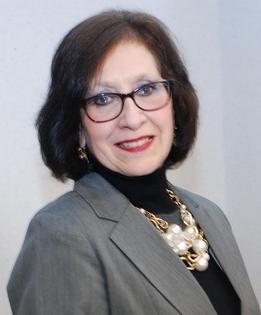 HONESDALE - The week of October 18th - 24th marked National Healthcare Quality Week. Wayne Memorial Community Health Centers (WMCHC), a network of physician offices offering primary care and specialty services throughout Wayne, Pike and Lackawanna Counties, will be joining healthcare organizations around the nation in celebration.
“WMCHC is committed to meeting patient needs and providing high quality of care,” stated Norma Nocilla, BS, LPN, CPHQ, director of quality, WMCHC.
WMCHC’s resolve to meet the needs of patients across a rural service area is evidenced by the growth it has experienced within as little as three years’ time. Outreach to the community included the addition of new office locations as well as an increase in specialty services.
“Over the past few years, we have expanded services in Pike County to include dental and behavioral health,” said Nocilla. “Additionally, we’ve added the Honesdale VA Outpatient Clinic, seven day-a-week primary care in Hamlin and most recently brought on cardiology services in Honesdale.”
WMCHC will be commemorating Healthcare Quality Week with gifts for office staff, completion of “Quality Quizzes” and displaying brightly colored posters proclaiming the national observance in all 14 of its offices.
National Healthcare Quality Week is sponsored by the National Association for Healthcare Quality with the goal of increasing the awareness of quality healthcare programs and strengthening staff, community and patient relations.
WMCHC offers primary care, women’s health, pediatric, behavioral health and dental services as well as general surgery, cardiology, pulmonary and sleep medicine. WMCHC is clinically affiliated with Wayne Memorial Health System, Inc.
Sunday, 18 October 2015
AONE selects new president-elect, board members

The American Organization of Nurse Executives elected John Shimkus Clark, DNP, RN, NEA-BC, CENP, FACHE, FAAN, to serve as the elected president on January 1, followed by a one-year term as president beginning in January of January 2017.
In addition, AONE elected a new treasurer and four members of its Board of Directors.
Clark, senior vice president and chief nurse executive system Texas Health Resources in Arlington, Texas, is nursing executive of Texas Health, one of the largest based on faith systems, health nonprofit in the USA. UU., according to a press release. She oversees the practice of nursing and nursing standardization and harmonization through the implementation of clinical standards and management practice based on evidence.
In addition, Clark serves commissioner appointed by the American Hospital Association The Board of the Joint Commission. A magnet appraiser with the American Nurse Credentialing Center, Clark has a doctorate of nursing practice executive of Texas Christian University in Fort Worth. She is a nurse Wharton Fellow American College of Healthcare Executives Fellow and member of the American Academy of Nursing.
Elected as treasurer was Mr. Lamont Yoder AONE, MSN, MBA, RN, NEA-BC, FACHE, CEO of Banner Gateway Medical Center and MD Anderson Cancer Center Banner in Gilbert, Arizona.
Board members elected for a period of three years include Robyn Begley, DNP, RN, NEA-BC, vice president of nursing and director of nursing, AtlantiCare Regional Medical Center, Pomona, New Jersey; Stuart D. Downs, DNP, MSA, MSN, RN, NEA-BC, CENP, CPHQ, Chief Nursing Officer, Eastside Medical Center, Snellville, Ga.; Joseph M. Lindell, PhD, RN, assistant clinical professor and program coordinator MSN / CNL, University of Iowa College of Nursing, Iowa City; and Rachel Behrendt, DNP, RN, NEA-BC, Chief Nursing, Banner University Medical Center, Phoenix.
AONE is a national professional organization of nurses who design, facilitate and manage care. With over 9,000 members, AONE is the leading voice of nursing leadership in health care, the statement said. Since 1967, the organization has provided leadership, professional development, advocacy and research to advance nursing practice and patient care, promoting excellence in nursing leadership and shaping public policies health care. AONE is a subsidiary of the American Hospital Association.
Sunday, 4 October 2015
OLD SAYBROOK RESIDENT RECEIVES NATIONAL HEALTH CARE QUALITY AWARD
 Old Saybrook resident Terri Savino, MSN, RN, CPHQ, has won the 2015 National Association of Health Care Quality Luc Pelletier Healthcare Quality Award. Savino is a Quality Improvement Coordinator, Core Measure Specialist and Trauma Coordinator at Middlesex Hospital in Middletown.
The award recognizes a health care quality professional who has developed and been actively involved in a performance improvement project, program or initiative which has demonstrated improved organizational performance for stakeholders. Terri was nominated for this award for her leadership of a project to improve the treatment of the potentially deadly sepsis infection by early identification and intervention.
Monday, 28 September 2015
RMC nurse earns certification in healthcare quality

Quality Coordinator Donna Moorer Regional Medical Center, BSN, RN, CPHQ was recently accredited as a certified professional in health care quality.
As coordinator of the quality of CPHQ, Moorer deals with issues in the workplace, such as medication reconciliation, mortality and reducing the rate of incidents, risk management, basic security measures and patient quality management and improvement. RMC also helps ensure compliance with the requirements of the organizations and programs of the organs, such as the Joint Commission and Centers for Medicare and Medicaid health accreditation.
CPHQ accredited care providers are certified by the National Association for quality health care. The CPHQ is the only certification in the profession of the quality of care and is fully accredited by the National Certification Commission of the Institute for Excellence accreditation agencies in Washington, DC
NAHQ agreement CPHQ certification includes all the knowledge in the profession of the quality of care that includes strategic and operational functions in the management and leadership, information management, and performance measurement and improvement of quality and tasks Strategic and operational in the field of patient safety.
Certification CPHQ a positive impact on patient care and plays an essential role in clinical outcomes and financial stability of healthcare organizations through continuous improvement initiatives, monitoring and analysis of processes and outcomes, integrating new evidence-based practices and maintain high quality standards.
Moorer is currently working in the department of quality management it has been employed for 21 years at RMC. He received his bachelor's degree at the University of South Carolina Upstate in 2008 and graduated from Orangeburg-Calhoun Technical College in 1994 with DNA.
Subscribe to:
Posts (Atom)